01 · New model
India launches Chariot-1, an AI model built from scratch at home
If Indian languages get cheaper and better AI, millions of people could use these tools in their own tongue instead of English.
Daily brief · November 28, 2026
AI news without the tech headache.
Top story: India launches Chariot-1, an AI model built from scratch at home
 Moirangthem Margareth Devi
Start here
01 · New model
If Indian languages get cheaper and better AI, millions of people could use these tools in their own tongue instead of English.
02 · Chips
Memory is one of the biggest bottlenecks in AI computing, like a narrow road into a busy city.
03 · Money
When you call a company for help, there is a growing chance an AI answers first.
What changed today.
Wocult
Chariot Artificial Intelligence, a Delhi startup funded under the government's IndiaAI Mission, launched Chariot-1 on 26 November. The release pairs a language model with a text-to-speech system, both trained from scratch in India. The company says it comes in three sizes, so it can run in big data centres, on laptops, or on phones.
If Indian languages get cheaper and better AI, millions of people could use these tools in their own tongue instead of English. Think of it like printing a book in the local language instead of forcing everyone to read a translation. The numbers are the company's own, though, so outside testing still needs to confirm them.
Dawan Africa
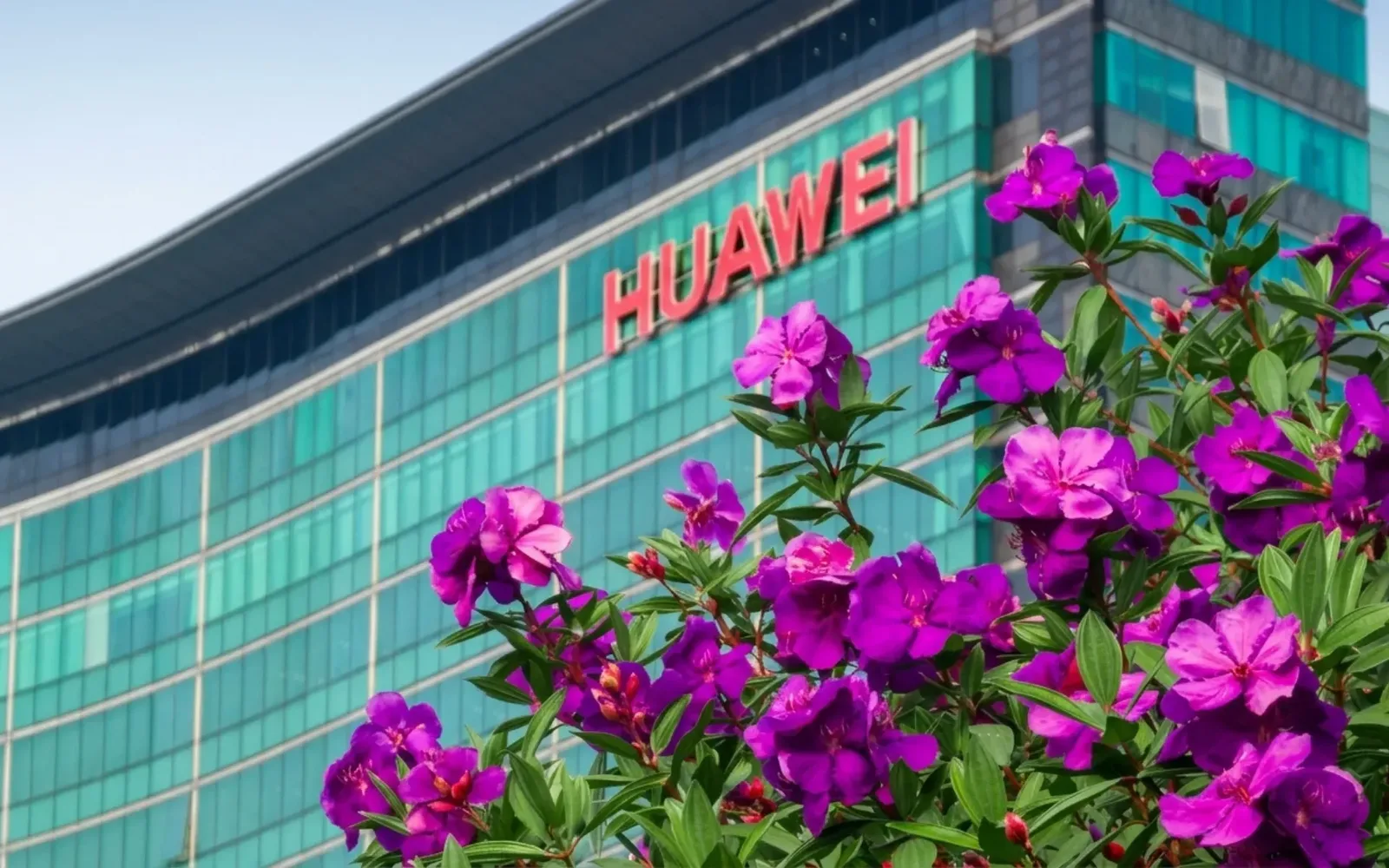
According to a Bloomberg report cited by Dawan Africa, Huawei researchers have designed a type of fast memory with a data path twice as wide as the current industry standard. AI chips need this memory to feed them data quickly. Huawei has not commented, and it is unclear how close the design is to real production.
Memory is one of the biggest bottlenecks in AI computing, like a narrow road into a busy city. If China can build its own fast memory, US export rules lose some bite. But designing on paper and manufacturing at scale are very different problems, and China's other memory maker still struggles with that step.
The AI Insider
Sierra, co-founded by former Salesforce co-CEO Bret Taylor, raised $1.75 billion at a $30 billion valuation, double its price from less than six months ago. The company builds AI helpers that handle customer service for big firms. It says nearly half of America's 50 largest companies use it, including major banks.
When you call a company for help, there is a growing chance an AI answers first. Investors are betting billions that this becomes normal everywhere. For workers in call centres, the big question is whether companies really reassign people, as Sierra claims, or quietly shrink those teams over time.
The Guardian
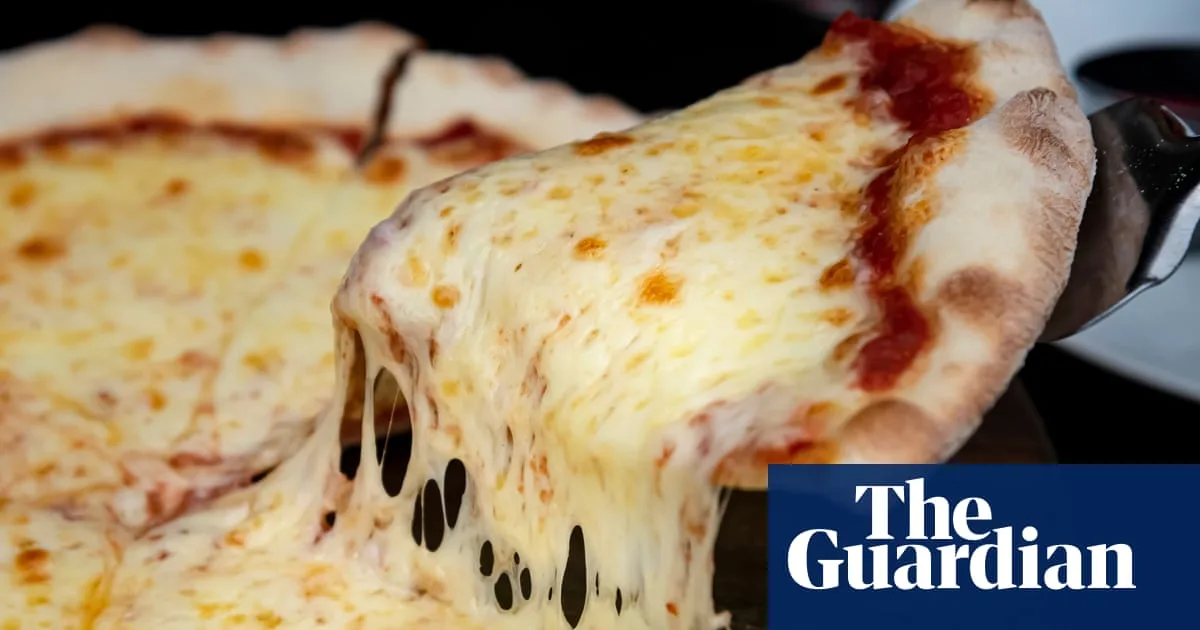
An AI agent bought nine mini margherita pizzas from Papa John's, the first UK retail purchase paid by an AI without a card. The trial ran under the watch of the Financial Conduct Authority, Britain's finance regulator, with Lloyds Bank and payments firm TrueLayer, which moves money directly between bank accounts.
Soon your AI assistant might buy gifts, compare insurance, or manage bills for you. The key design here is like giving a trusted helper a small allowance and a shopping list, never your full wallet. Banks and regulators will move slowly, but this trial shows the basic plumbing works safely.

BW Disrupt
BharatGen, backed by India's Department of Science and Technology, released Patram 1.5, an AI model for reading documents in banks, hospitals, insurers and government offices. Instead of converting pages to plain text first, it reads documents as images, so tables, handwriting, signatures and stamps all stay visible to the model.
Paperwork eats enormous time in banks, hospitals and government offices. A model that reads a stamped, handwritten form like a careful clerk could speed all of that up. Because it is free to download and can run on a company's own machines, sensitive records never have to leave the building.
Canadian Affairs
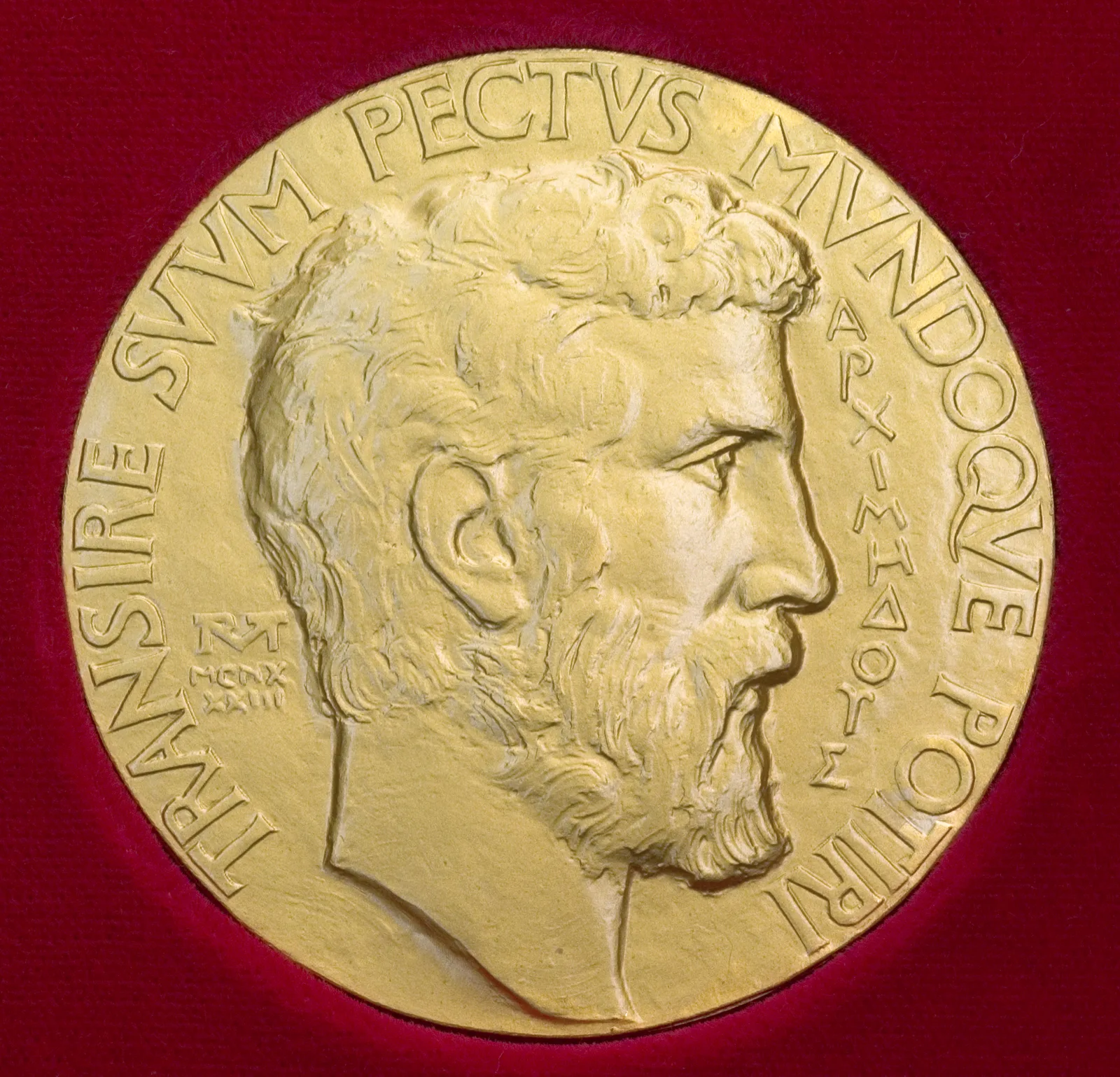
Deirdre Haskell, director of Toronto's Fields Institute, told Canadian Affairs that recent AI results have left mathematicians reeling. OpenAI announced a solution to the Navier-Stokes fluid problem in September, and in November an Anthropic mathematician announced a proof of the 167-year-old Riemann Hypothesis, developed with Claude. Haskell is sceptical of the celebration around both.
This is a preview of what many skilled jobs face: a machine produces impressive results, and humans shift to checking them and choosing the right problems. Like a brilliant intern who never shows their working, AI output still needs careful human review. Haskell still expects mathematicians to work with AI as a collaborator, judged on quality, not volume.
Pull clean, structured data from scanned forms and handwritten pages using a free model.
Patram 1.5 · Hugging Face · Python
Scanned forms
Stamps, signatures, handwriting
Tables and charts
Layout-heavy pages
Mixed records
Bank, hospital, insurance files
Patram 1.5
Reads documents directly as images
Extracted answers
Structured fields and summaries
Versus current OCR
Step by step
Collect samples
Gather scanned forms, tables and handwritten pages as images
Load model
Pull Patram 1.5 open weights from Hugging Face
Run extraction
Use Python to query Patram 1.5 per document
Check outputs
Compare Patram 1.5 answers against your current OCR results
Pick keepers
List document types where Patram 1.5 wins
Image-native document reading can replace brittle OCR for layout-heavy files.
I want to evaluate Patram 1.5, the 7B open-weight vision-language document model from BharatGen, against my current OCR-plus-LLM pipeline. Help me write a Python script that: 1) loads the Patram 1.5 weights from Hugging Face, 2) takes a folder of scanned document images (forms with stamps and signatures, pages with tables, and handwritten notes), 3) sends each image to the model with the question 'Extract all key fields, table contents, and any handwritten text from this document, preserving structure', and 4) saves each answer to a JSON file named after the source image. Then suggest a simple scoring sheet so I can mark, per document, whether field accuracy, table structure, and handwriting beat my existing OCR output.
One thing to try today
Take a photo of a receipt, form or handwritten note. Upload it to ChatGPT, Claude or Gemini and ask it to pull out three specific details, like dates, amounts and names. Check its answers against the original and note any mistakes.
~10 min
Featured tutorial
You will learn to feed your own documents into Gemini Notebook and get answers you can check against the original pages.
Watch tutorialAI AGENTS DAILY
A visual brief for people who want the useful part of AI without spending the morning decoding AI news.
AI helps find and draft each edition from the sources linked above; a person reads it before it goes out. Where AI fits.